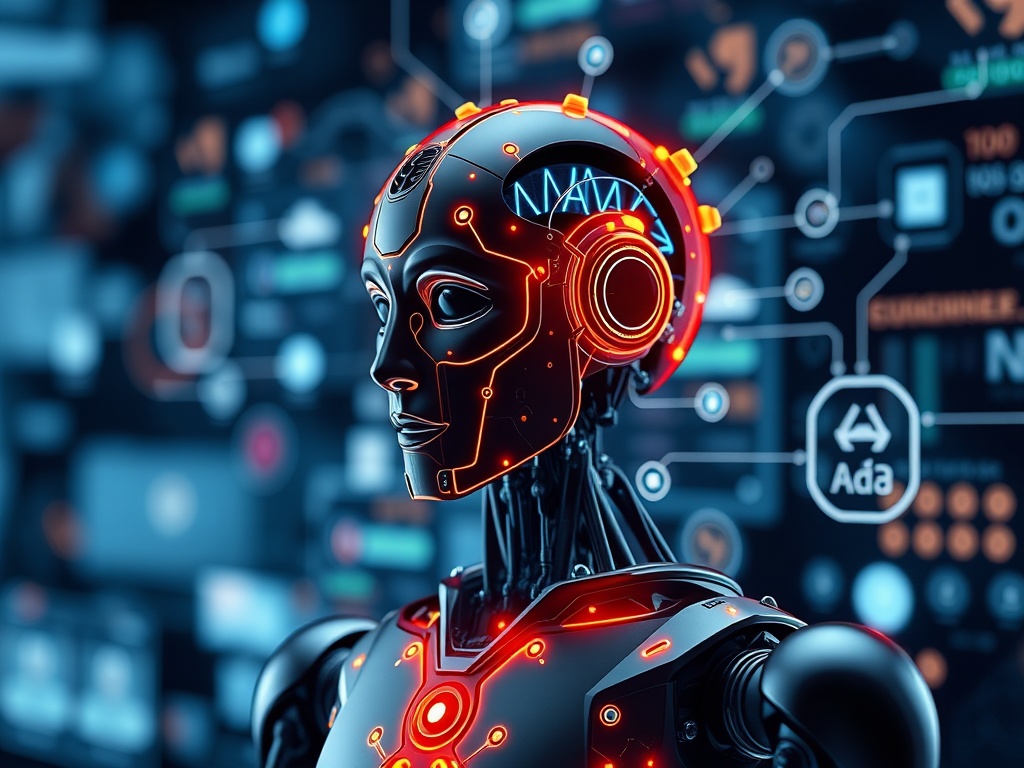
Application of AI in Digital Marketing: Unlocking New Opportunities
⚡ TL;DR: This guide explains the transformative application of AI in digital marketing, enhancing engagement and ROI.
📋 What You’ll Learn
In this comprehensive guide about application of ai in digital marketing, we’ve compiled everything you need to know. Here’s what this covers:
- Learn how AI enhances customer engagement – Discover the role of chatbots and personalized interactions in improving customer satisfaction.
- Understand the importance of data-driven insights – Utilize AI analytics for informed decision-making and campaign optimization.
- Master AI-driven personalization strategies – Explore methods to tailor content and recommendations, boosting conversion rates.
- Discover predictive analytics applications – Examine how brands forecast consumer behavior to enhance marketing strategies.
The global digital marketing landscape experiences rapid evolution, with the application of AI in digital marketing at the forefront of this transformation. Various studies indicate that businesses implementing AI technologies are witnessing enhanced customer engagement, improved targeting, and increased ROI. A remarkable 40% of marketers report that the application of AI in digital marketing has significantly improved their marketing campaigns’ effectiveness. This dramatic shift not only redefines strategies but also unlocks new opportunities for brands to connect with consumers in personalized and innovative ways.
As organizations increasingly adopt AI, they uncover the potential for more profound insights and more agile responses to consumer behavior. The application of AI in digital marketing empowers brands to automate routine tasks, optimize ad spend, and deliver personalized experiences. In fact, a report by McKinsey highlights that companies leveraging AI for marketing can achieve up to a 30% increase in marketing productivity. This article explores cutting-edge applications of AI in digital marketing, revealing how businesses can harness this technology to gain a competitive advantage.
Advanced Insights & Strategy
The integration of AI in digital marketing requires a strategic framework that aligns with organizational goals. Brands should first define their objectives, whether enhancing customer engagement or improving lead conversion rates. A robust approach to the application of AI in digital marketing involves utilizing AI-driven tools to analyze consumer data, predict trends, and optimize campaigns in real-time.
One effective method is implementing AI-powered predictive analytics. By leveraging historical data, brands can forecast customer behavior and tailor marketing strategies accordingly. For instance, Salesforce’s Einstein Analytics enables companies to identify which leads are most likely to convert, allowing marketers to focus their efforts on high-potential prospects. This targeted approach not only boosts conversion rates but also enhances resource allocation, ultimately maximizing ROI.
Another strategy is adopting AI-driven customer segmentation. This involves using machine learning algorithms to analyze customer data and segment audiences based on behavior, preferences, and demographics. HubSpot’s AI-powered tools, for example, allow marketers to create highly refined customer segments, enabling tailored messaging that resonates with each group. This level of personalization has shown to increase engagement rates by up to 60%, demonstrating the effectiveness of strategically utilizing the application of AI in digital marketing.
Transforming Customer Engagement through AI
AI technologies are revolutionizing how brands engage with customers. By utilizing chatbots and virtual assistants, companies can provide instant support and personalized recommendations. For instance, Sephora’s AI-driven chatbot on Facebook Messenger offers tailored product suggestions based on customer preferences, enhancing the overall shopping experience. This dynamic interaction not only boosts customer satisfaction but also drives sales.
Furthermore, AI-driven sentiment analysis tools enable businesses to gauge customer opinions and emotions in real-time. Tools like Brandwatch utilize machine learning algorithms to analyze social media conversations, allowing brands to identify trends and adjust their messaging strategies accordingly. A notable case is Starbucks, which employs AI to analyze customer feedback and adapt its menu offerings, resulting in a 9% increase in customer satisfaction scores.
The application of AI in digital marketing also extends to enhancing customer experiences through personalization. By analyzing browsing behavior and purchase history, AI can deliver tailored content and product recommendations. Amazon exemplifies this approach, using AI algorithms to suggest products based on user behavior, resulting in a staggering 35% of its sales coming from personalized recommendations.
Leveraging AI for Enhanced Customer Insights
Advanced AI analytics tools provide marketers with deeper insights into customer preferences and behaviors. Companies like IBM Watson Analytics offer robust data analysis capabilities, enabling brands to identify emerging patterns and trends. A case in point is Coca-Cola, which utilizes AI to analyze consumer sentiment across social media platforms, leading to more targeted marketing campaigns. This level of insight allows for more effective engagement and a stronger connection with consumers.
Additionally, the application of AI in digital marketing facilitates A/B testing at scale. Tools like Optimizely leverage AI to automatically adjust variables in real-time based on user interactions. This capability allows brands to optimize their campaigns with unprecedented precision, leading to improved conversion rates and customer engagement.
AI-driven insights also empower marketers to create more relevant content. By analyzing data on customer preferences, brands can tailor their messaging to resonate with their audience. For instance, Netflix uses AI algorithms to analyze viewer habits, enabling them to recommend shows tailored to individual tastes, resulting in an impressive 70% of viewer engagement stemming from personalized recommendations.
Data-Driven Decision Making with AI
The application of AI in digital marketing significantly enhances data-driven decision-making processes. Companies can now leverage vast amounts of data to make informed marketing choices, ensuring strategies are grounded in empirical evidence rather than intuition.
AI-driven platforms like Google Analytics 4 offer advanced machine learning capabilities for marketers to analyze user behavior and website performance. This enables a granular understanding of customer journeys and the identification of drop-off points in the sales funnel. For example, a retail brand utilizing Google Analytics 4 may discover that a particular product page has a high bounce rate, prompting immediate optimization efforts.
Moreover, AI tools can streamline campaign optimization through real-time data analysis. Platforms like AdRoll employ machine learning to analyze ad performance metrics, adjusting bids and targeting parameters dynamically. This approach ensures that ad spend is maximized and campaigns remain aligned with evolving consumer behaviors.
The application of AI in digital marketing also extends to predictive modeling. By utilizing historical data, businesses can forecast future trends and consumer behaviors. A notable instance is Target, which successfully utilized predictive analytics to anticipate customer purchasing patterns, resulting in a 20% increase in sales for specific product categories.
Utilizing AI for Enhanced Analytics
AI tools transform standard analytics into predictive insights that drive marketing strategies. By employing machine learning algorithms, brands can analyze customer data more deeply and uncover hidden correlations. For instance, Adobe Analytics uses AI to provide real-time insights into campaign performance, enabling marketers to make immediate adjustments based on data trends.
Additionally, AI simplifies complex data visualization. Platforms like Tableau integrate AI capabilities to help marketers visualize data patterns clearly, allowing for better understanding and faster decision-making. This capability is essential for identifying actionable insights that can be translated into effective marketing strategies.
The integration of AI with customer relationship management (CRM) systems also enhances analytics capabilities. Salesforce’s Einstein AI can analyze customer interactions and predict future behaviors, allowing brands to tailor their marketing efforts more effectively. This application not only streamlines marketing processes but also fosters long-term customer relationships.
Personalization at Scale via AI
Personalization remains a pivotal aspect of successful digital marketing strategies. The application of AI in digital marketing enables brands to deliver highly personalized experiences at scale, enhancing customer engagement and loyalty.
AI algorithms analyze customer behavior and preferences, allowing brands to segment their audiences more effectively. For example, Spotify’s Discover Weekly playlist utilizes AI to curate personalized music recommendations for users, resulting in increased user engagement and retention. This level of personalization fosters a deeper emotional connection with the brand.
Furthermore, AI-driven recommendation engines have reshaped how brands approach content delivery. Companies like Netflix analyze viewing habits to suggest relevant content, leading to a significant boost in user satisfaction. Such personalized recommendations ensure that customers feel valued and understood, enhancing brand loyalty over time.
The application of AI in digital marketing also facilitates dynamic content personalization. Tools like Evergage allow marketers to deliver personalized website experiences based on real-time user interactions. By tailoring content to individual preferences, brands can significantly improve conversion rates. A study revealed that personalized customer experiences can lead to a 20% increase in sales.
Creating Tailored Experiences through AI
AI-driven personalization extends beyond mere recommendations to encompass the entire customer journey. By analyzing data from various touchpoints, brands can create cohesive experiences that resonate with consumers. For instance, Sephora’s personalized marketing campaigns leverage AI to tailor email content and product suggestions based on past purchases and browsing history.
Additionally, AI can enhance the effectiveness of loyalty programs. By analyzing customer data, brands can design loyalty initiatives that cater to individual preferences, thereby increasing program engagement. A case study involving Starbucks revealed that personalized loyalty offers based on user behavior led to a 15% increase in program participation.
Moreover, AI allows for real-time adjustments to marketing strategies based on consumer feedback. This capability is vital for maintaining relevance in an ever-changing market. Brands like Nike employ AI to analyze social media sentiment, enabling them to adjust campaigns in response to consumer opinions and preferences. Such agility ensures that marketing efforts remain fresh and engaging.
AI in Content Creation and Distribution
The application of AI in digital marketing extends to content creation and distribution, revolutionizing how brands engage with their audiences. AI tools can streamline content generation processes, ensuring that brands maintain a consistent and relevant online presence.
Platforms like Jasper.ai utilize natural language processing to generate high-quality content in seconds. This capability allows brands to produce blog posts, articles, and social media content efficiently. A significant example is The Washington Post, which leverages AI to automate the creation of news articles, freeing up journalists to focus on more in-depth reporting.
Moreover, AI enhances content distribution through intelligent targeting. Tools like Mailchimp utilize machine learning algorithms to analyze user behavior, optimizing email campaigns for maximum engagement. This targeted approach ensures that content reaches the right audience at the right time, increasing the likelihood of conversions.
The application of AI in digital marketing also enables brands to optimize their content for search engines. AI-powered tools like Clearscope analyze top-performing content in a niche, providing insights on keywords and topics to target. This data-driven approach enhances content visibility and improves organic search rankings, driving more traffic to brand websites.
Streamlining Content Creation with AI
AI tools streamline the content creation process, enabling brands to produce high-quality material efficiently. By analyzing user preferences and trending topics, AI can suggest content ideas that resonate with target audiences. BuzzSumo, for instance, leverages AI to identify popular content themes, allowing marketers to create relevant articles that attract engagement.
Additionally, AI-driven content optimization tools like Grammarly enhance the quality of written material by providing real-time feedback on grammar, tone, and readability. This ensures that content remains polished and professional, further boosting brand credibility.
Furthermore, AI can assist in multimedia content creation. Platforms like Lumen5 utilize AI to convert text into engaging video content, enabling brands to reach audiences through diverse formats. This approach caters to varying consumer preferences, ensuring that content engages users across multiple channels.
Frequently Asked Questions About application of ai in digital marketing
How can businesses measure the effectiveness of AI in their digital marketing efforts?
Businesses can measure the effectiveness of AI in digital marketing by analyzing KPIs such as conversion rates, customer engagement metrics, and ROI. Tools like Google Analytics provide insights into user behavior, enabling brands to assess the impact of AI-driven strategies.
What are the common challenges in implementing AI in digital marketing?
Common challenges include data quality issues, integration with existing systems, and the need for skilled personnel to manage AI technologies. Organizations must address these challenges to fully leverage the application of AI in digital marketing.
Can small businesses benefit from the application of AI in digital marketing?
Absolutely. Small businesses can leverage affordable AI tools for analytics, customer engagement, and targeted advertising. These tools allow them to compete effectively against larger brands by optimizing their marketing strategies.
What role does AI play in improving customer targeting?
AI enhances customer targeting by analyzing vast datasets to identify patterns and preferences. This enables marketers to create highly targeted campaigns that resonate with specific audience segments, ultimately improving conversion rates.

How does AI impact content marketing strategies?
AI impacts content marketing by streamlining content creation, optimizing distribution channels, and personalizing user experiences. By leveraging AI, brands can deliver relevant content to the right audience at the right time, increasing engagement and fostering loyalty.
What are the potential risks of using AI in digital marketing?
Potential risks include data privacy concerns, algorithmic bias, and the over-reliance on automated systems. Brands must navigate these challenges carefully to ensure ethical AI use in their marketing strategies.
How can companies ensure ethical use of AI in digital marketing?
Companies can ensure ethical use of AI by establishing clear guidelines for data usage, ensuring transparency in AI algorithms, and maintaining accountability for AI-driven decisions. Regular audits can help identify and mitigate potential biases.
What advancements in AI are expected to shape the future of digital marketing?
Future advancements may include improved natural language processing, enhanced predictive analytics, and more sophisticated personalization techniques. These developments will further empower brands to connect with consumers in meaningful ways.
Conclusion
The application of AI in digital marketing is not just a trend; it’s a fundamental shift in how brands engage with consumers. By leveraging AI technologies, companies can enhance customer experiences, optimize marketing strategies, and drive significant ROI. As the landscape continues to evolve, organizations that embrace the application of AI in digital marketing will unlock new opportunities and remain competitive in an increasingly digital world.

Find out more information about “application of ai in digital marketing”
Search for more resources and information: