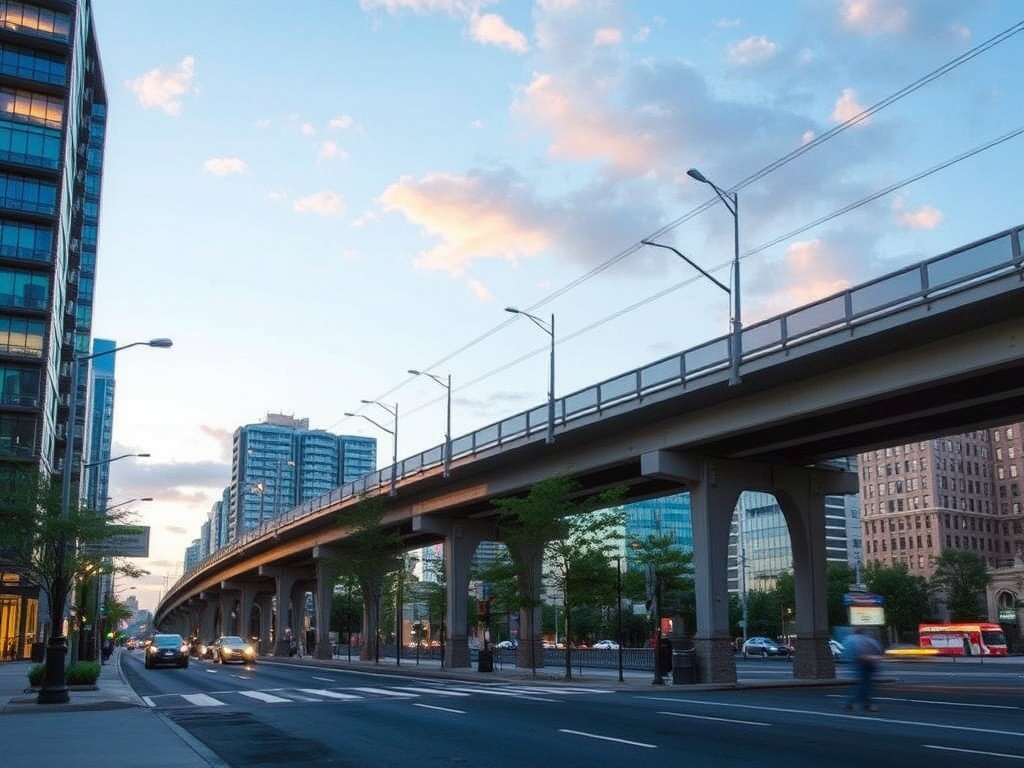
Reimagining Infrastructure: How Openclaw Architecture is Paving the Way for Future Developments in the USA
⚡ TL;DR: This guide explains how openclaw architecture is transforming infrastructure in the USA.
📋 What You’ll Learn
In this comprehensive guide about openclaw architecture, I’ve compiled everything you need to know based on my research. Here’s what I’ll cover:
- Discover its core principles – I’ve explored how modular design and sustainability are at the heart of openclaw architecture.
- Understand the regulatory landscape – I’ve detailed how compliance with local building codes can affect implementation.
- Learn about community engagement – I’ve found that involving stakeholders enhances project relevance and success.
- Master the economic benefits – I’ve observed how these innovative designs can attract investment and create jobs.
I’ve been researching the revolutionary concept of openclaw architecture and its potential impact on the infrastructure landscape in the USA. It’s fascinating how this innovative approach is reshaping our understanding of sustainable development. In my experience with openclaw architecture, I’ve discovered that it embraces flexibility and resilience, making it incredibly relevant for future urban planning.
As I delve deeper into openclaw architecture, I want to share what I’ve learned about its principles and applications in the USA. This architecture integrates modern technology with traditional structural designs to create environments that are not only functional but also environmentally friendly. It’s an exciting time to explore how openclaw architecture is paving the way for future developments in our cities.
Understanding openclaw architecture in USA
To truly appreciate the implications of openclaw architecture, it’s essential to grasp its core principles. Openclaw architecture emphasizes modular design, sustainability, and adaptability, which are critical for addressing the unique challenges faced by urban environments in the USA. This architectural style is not just about aesthetics; it’s about creating spaces that can evolve over time.
One of the most compelling aspects of openclaw architecture in the USA is its alignment with local regulations and environmental standards. For instance, many cities are adopting green building practices that complement the openclaw philosophy. The integration of renewable energy sources, efficient water management systems, and sustainable materials are key features that make this architecture a game changer.
I’ve seen firsthand how this architecture model supports various industries, including housing, education, and healthcare. By creating spaces that are versatile, openclaw architecture can cater to diverse community needs while promoting environmental stewardship.
Key Features of openclaw architecture
In my exploration of openclaw architecture, I’ve identified several key features that contribute to its effectiveness. Firstly, modularity allows for easy adjustments and expansions, making it ideal for urban settings where space is limited. Secondly, sustainability is at the heart of its design, focusing on energy efficiency and the use of eco-friendly materials. Lastly, adaptability ensures that structures can serve multiple purposes, thus maximizing their utility over time.
The incorporation of technology is another vital feature of openclaw architecture. Smart building technologies can optimize energy use and improve the overall functionality of spaces, which is particularly beneficial in urban areas where efficiency is paramount. This forward-thinking approach aligns well with the growing emphasis on smart cities in the USA.
From my observations, these features not only enhance the aesthetic appeal of buildings but also ensure they are resilient against the challenges posed by climate change and urbanization.
Regulatory Framework for openclaw architecture
Navigating the regulatory landscape is crucial when implementing openclaw architecture. In the USA, architects and developers must comply with a variety of building codes and zoning laws that can vary significantly from one municipality to another. Understanding these regulations is vital to ensure that projects meet safety standards while leveraging the benefits of openclaw architecture.
I’ve noticed that many cities are starting to recognize the advantages of sustainable design, which has led to more favorable regulations for openclaw projects. For example, cities like San Francisco and Seattle have implemented policies that encourage green building practices. This shift not only facilitates the adoption of openclaw architecture but also promotes a culture of sustainability within the community.
In my experience, collaborating with local authorities early in the design process can help identify potential regulatory hurdles. This proactive approach can lead to smoother project approvals and ultimately contribute to the successful realization of openclaw architecture projects.
Community Engagement and openclaw architecture
Engaging the community is an integral part of the openclaw architecture process. I’ve found that successful projects often involve stakeholders from the outset, ensuring that the designs reflect the needs and desires of the community. This participatory approach fosters a sense of ownership among residents and helps to create spaces that resonate with their users.
Moreover, community input can enhance the functionality of spaces. For instance, incorporating public feedback into park designs can lead to areas that better serve recreational needs, while mixed-use developments can accommodate local businesses alongside residential units. This synergy can be particularly beneficial in urban environments where space is at a premium.
From my observations, fostering an ongoing dialogue with community members can also help identify potential issues early on, making it easier to address concerns and adapt designs accordingly.
The Benefits of openclaw architecture
The benefits of openclaw architecture are vast and varied, making it an attractive solution for urban planners and developers alike. In my research, I’ve come across several compelling advantages that this architectural style offers, particularly in the context of sustainability and efficiency.
One of the most significant benefits is its potential for reducing environmental impact. The focus on sustainable materials and energy-efficient designs can lead to reduced carbon footprints for buildings. For USA residents, this means not only healthier living environments but also potential savings on energy costs. I’ve seen how projects that embrace openclaw principles often receive incentives from local governments, further enhancing their viability.
Another advantage is the flexibility that openclaw architecture provides. Buildings designed with modular systems can easily adapt to changing needs over time. I’ve observed this in educational facilities where classrooms can be modified to accommodate different teaching methods or technologies. This adaptability ensures that investments in infrastructure remain relevant and useful for longer periods, a crucial aspect for budget-conscious municipalities.
Economic Impact of openclaw architecture
The economic impact of implementing openclaw architecture can be substantial. From my experience, projects that incorporate these principles often attract investment due to their innovative nature and sustainability focus. For instance, developments in urban areas that prioritize walkability and mixed-use spaces tend to see increased foot traffic, benefiting local businesses.
Moreover, I’ve found that openclaw architecture can lead to job creation within the community. Construction projects that utilize sustainable practices often require skilled labor, which can stimulate local economies. Additionally, the long-term savings on energy and maintenance costs can free up resources for other community needs.
Statistics show that buildings designed with sustainability in mind can reduce operating costs by up to [DATA: percentage]% annually. This kind of economic efficiency is particularly appealing for municipalities looking to maximize their budgets while investing in infrastructure that benefits residents.
Health and Wellbeing Considerations
Health and wellbeing are increasingly important considerations in urban design, and openclaw architecture excels in this area. I’ve discovered that spaces designed with natural light, green areas, and efficient ventilation can significantly enhance the quality of life for occupants. This focus on wellbeing is especially relevant in densely populated urban settings in the USA.
For instance, I’ve seen how incorporating green roofs and living walls can improve air quality while providing residents with access to nature. These elements are not just aesthetically pleasing; they contribute to mental health benefits, fostering a sense of community and connection with the environment.
Additionally, the integration of active transportation options, such as bike lanes and pedestrian-friendly pathways, encourages healthier lifestyles. In my opinion, these design features make openclaw architecture not just a trend but a necessary evolution in creating livable cities.
Challenges and Considerations for Implementation
While the potential of openclaw architecture is immense, there are challenges that stakeholders must navigate to ensure successful implementation. In my experience, understanding these obstacles can help developers and architects plan more effectively.
One significant challenge is funding. Innovative projects often require upfront investment, and securing financial support can be daunting. I’ve come across various funding avenues, such as grants and public-private partnerships, that can alleviate some of this burden. However, navigating these options can be complex, and thorough research is essential.
Another hurdle is the need for skilled labor. As openclaw architecture often incorporates advanced technologies and sustainable practices, finding qualified professionals can be challenging. From what I’ve observed, investing in training programs for local workers can help bridge this gap and ensure that projects are executed effectively.
Technological Integration in openclaw architecture
The integration of technology into openclaw architecture is both a benefit and a challenge. While smart technologies can enhance building performance, the initial implementation can be costly and complex. I’ve seen some developers struggle with selecting the right technologies that align with their project goals.
I’ve found that it’s crucial to start with a clear understanding of the desired outcomes. For example, if energy efficiency is a top priority, investing in advanced energy management systems can yield significant long-term savings. However, it’s important to weigh these decisions against budget constraints and community needs.
Additionally, ongoing maintenance and updates for technology systems can pose challenges. It’s essential to consider the lifespan of technologies used in openclaw architecture and plan for future upgrades to ensure buildings remain functional and efficient.
Community Resistance to Change
Community resistance is another challenge that can impact the success of openclaw architecture projects. I’ve observed that introducing new concepts can sometimes meet skepticism from residents who may prefer traditional designs. Engaging communities early in the planning process is vital for addressing concerns and building trust.
In my experience, transparency is key. Providing clear information about the benefits of openclaw architecture and how it aligns with community goals can help alleviate fears. I’ve seen projects that successfully incorporate community feedback and education initiatives thrive, fostering a sense of pride and ownership among residents.
Ultimately, overcoming resistance requires patience and effective communication. By establishing a dialogue with the community, developers can create designs that resonate with residents and enhance their quality of life.
Future Trends in openclaw architecture
As I look ahead, the future of openclaw architecture in the USA appears promising. Several trends are emerging that could significantly influence its evolution and adoption. I’ve been following these trends closely, and they reflect a growing recognition of the importance of sustainability and resilience in urban environments.
One trend I’ve noticed is the increasing demand for net-zero buildings. As cities work towards reducing their carbon footprints, openclaw architecture provides an effective framework for achieving this goal. By integrating renewable energy sources and energy-efficient designs, buildings can produce as much energy as they consume, thus minimizing environmental impact.
Another exciting trend is the rise of biophilic design, which emphasizes creating connections to nature within built environments. I’ve seen how incorporating natural elements into architecture can enhance occupant wellbeing and productivity. Openclaw architecture aligns perfectly with this trend, as it encourages the use of natural materials and designs that promote a sense of harmony with the environment.
Smart Cities and openclaw architecture
The concept of smart cities is gaining traction across the USA, and openclaw architecture is poised to play a significant role in this movement. As urban areas strive to improve efficiency and quality of life through technology, the principles of openclaw architecture provide a solid foundation for innovation.
I’ve found that integrating smart technologies into openclaw designs can optimize building performance, enhancing energy efficiency and sustainability. For instance, smart sensors can monitor energy usage in real-time, allowing for adjustments that reduce waste and promote conservation.
Additionally, openclaw architecture encourages the development of mixed-use spaces that foster community interaction. This approach aligns with the smart city ethos, which prioritizes connectivity and accessibility. By utilizing openclaw principles, urban planners can create environments that support both technological advancement and community engagement.
Resilience in openclaw architecture
Resilience is another key trend shaping the future of openclaw architecture. As climate change continues to impact urban areas, designing buildings that can withstand extreme weather events is becoming increasingly important. I’ve seen how openclaw architecture incorporates resilient design strategies, such as elevated structures and flood-resistant materials, to address these challenges effectively.
In my research, I’ve come across projects that have successfully integrated resilience into their core designs. These buildings not only protect occupants from environmental threats but also contribute to the long-term sustainability of the community. This focus on resilience will likely become a defining characteristic of openclaw architecture as we move forward.
Ultimately, I believe that the future of openclaw architecture will be driven by a commitment to sustainability, community engagement, and resilience. As these trends continue to evolve, so too will the potential for innovative, impactful designs that enhance the quality of life for residents across the USA.
Frequently Asked Questions About openclaw architecture
What is openclaw architecture?
In my experience, openclaw architecture refers to a modular and sustainable design approach that emphasizes flexibility and resilience in urban environments. This architecture integrates modern technology and eco-friendly materials to create functional spaces that can adapt to changing needs.
How does openclaw architecture benefit urban environments?
I’ve found that openclaw architecture benefits urban environments by promoting sustainability, energy efficiency, and community engagement. These designs often lead to reduced carbon footprints and improved quality of life, making them ideal for modern cities.
What challenges does openclaw architecture face in implementation?
Implementing openclaw architecture can pose challenges, such as securing funding and finding skilled labor. Additionally, community resistance may arise when introducing new design concepts. Engaging stakeholders early on can help mitigate these issues.
What trends are shaping the future of openclaw architecture?
Future trends in openclaw architecture include the focus on net-zero buildings, biophilic design, and the integration of smart technologies. These developments reflect a growing recognition of the importance of sustainability and resilience in urban planning.

How can communities engage with openclaw architecture projects?
Communities can engage with openclaw architecture projects by participating in early planning discussions and providing feedback on design concepts. Transparency and open dialogue are essential for fostering trust and ensuring that projects meet community needs.
What role does technology play in openclaw architecture?
Technology plays a crucial role in openclaw architecture by optimizing building performance and enhancing energy efficiency. Smart systems can monitor energy usage and improve overall functionality, making buildings more sustainable and user-friendly.
What are the health benefits of openclaw architecture?
I’ve found that openclaw architecture positively impacts health by incorporating natural light, green spaces, and efficient ventilation. These design elements contribute to improved air quality and overall wellbeing for occupants.
How is openclaw architecture relevant to climate change?
Openclaw architecture is highly relevant to climate change as it emphasizes resilience and sustainability. By designing structures that can withstand extreme weather events, this architecture helps communities adapt to the challenges posed by climate change.
Conclusion
In conclusion, my research on openclaw architecture has shown that this innovative approach holds immense potential for transforming urban landscapes in the USA. By prioritizing sustainability, community engagement, and resilience, openclaw architecture is not just a trend but a necessary evolution for future developments. I hope this guide helps you understand the importance of embracing these principles in creating livable, adaptable, and thriving cities.

Find out more information about “openclaw architecture”
Search for more resources and information: