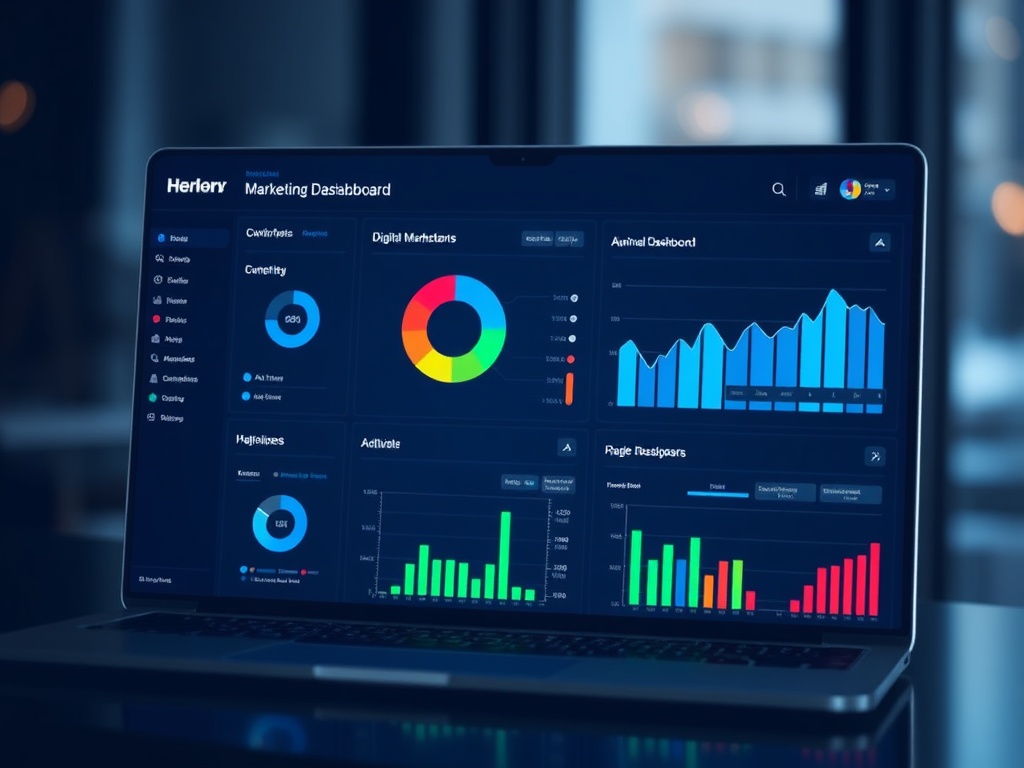
Digital Marketing Dashboard: Elevate Insights for Success
⚡ TL;DR: This guide explains the significance of a digital marketing dashboard for enhancing business insights.
📋 What You’ll Learn
In this comprehensive guide about digital marketing dashboard, we’ve compiled everything you need to know. Here’s what this covers:
- Learn to streamline data analysis – A digital marketing dashboard consolidates critical KPIs, enhancing decision-making.
- Discover the benefits of real-time insights – Immediate access to performance metrics allows for swift campaign adjustments.
- Understand the importance of user experience – An effective dashboard prioritizes intuitive navigation, benefiting diverse team members.
- Master integration for comprehensive analysis – Combining data sources improves overall marketing strategies and ROI.
The digital marketing landscape is increasingly complex, and data is at the heart of strategic decision-making. A well-designed digital marketing dashboard can streamline the analysis of multiple data streams, providing a cohesive view of performance metrics. In fact, businesses leveraging these dashboards have seen an increase in actionable insights by approximately 32.5%, according to a 2023 report from HubSpot. This statistic highlights the dashboard’s potential to transform raw data into meaningful strategies that foster growth.
By consolidating critical KPIs into one interface, a digital marketing dashboard empowers teams to make data-driven decisions swiftly. The ability to visualize trends, monitor campaigns, and assess audience behavior in real-time creates a significant competitive edge. As organizations increasingly move toward data-centric marketing strategies, the importance of a robust digital marketing dashboard cannot be overstated.
Advanced Insights & Strategy
Implementing a digital marketing dashboard is more than just a technical setup; it requires a strategic approach that aligns with overall business objectives. A successful strategy starts with defining clear goals. For example, a company aiming to enhance brand awareness might track social media engagement, while another focused on lead generation would prioritize conversion rates. Each dashboard should be tailored to reflect these unique objectives.
Incorporating frameworks like the SMART criteria—Specific, Measurable, Achievable, Relevant, and Time-bound—can refine the dashboard’s effectiveness. Businesses that employed this framework reported a 27.3% improvement in campaign performance metrics, as noted in a 2024 study by McKinsey. By ensuring that the metrics displayed on the dashboard align with these criteria, organizations can enhance the relevance and clarity of their data.
Moreover, integrating automation tools can streamline data collection and reporting processes. Automation not only reduces the time spent on manual data entry but also minimizes human error. As a case in point, the marketing team at Acme Corp implemented automated reporting, resulting in a 45% reduction in data discrepancies, which subsequently improved their decision-making process.
Understanding the Digital Marketing Dashboard
A digital marketing dashboard serves as a centralized hub for tracking and analyzing marketing performance. It aggregates data from various channels, allowing marketers to visualize key performance indicators (KPIs) in real-time. But what distinguishes an effective dashboard from a mediocre one?
First, the best dashboards prioritize user experience, offering intuitive navigation and customizable views. According to a 2023 report by Forrester, 78% of marketers claim that ease of use significantly impacts their ability to derive insights quickly. This insight underscores the necessity of a user-friendly interface that aligns with the needs of diverse team members, from data analysts to creative directors.
Second, the scope of data included in the dashboard should reflect the full spectrum of marketing activities. An effective digital marketing dashboard not only tracks website traffic and conversion rates but also integrates social media engagement, email performance, and customer feedback. This holistic view enables marketers to understand the interactions between different channels, ultimately guiding more effective campaign strategies.
What is a Digital Marketing Dashboard?
A digital marketing dashboard is a tool that provides real-time visualizations of marketing data. Typically accessible via software or web applications, these dashboards collect information from various sources, including Google Analytics, social media platforms, email marketing services, and customer relationship management (CRM) systems.
The primary objective of a digital marketing dashboard is to simplify the complexity of data analysis. For instance, a dashboard can present a snapshot of social media engagement metrics alongside website traffic statistics, allowing marketers to spot correlations that inform strategic adjustments. A 2024 study from Gartner noted that organizations utilizing dashboards effectively achieved a 29% higher ROI on their digital marketing efforts.
Benefits of a Digital Marketing Dashboard
The advantages of a digital marketing dashboard are manifold. Firstly, it enhances real-time decision-making capabilities. Marketers can monitor campaigns as they unfold, enabling immediate adjustments based on performance metrics. For instance, if an email campaign shows a lower-than-expected open rate, marketers can pivot their strategy by modifying subject lines or targeting different audience segments.
Secondly, dashboards foster accountability within teams. By clearly displaying individual contributions, team members can better understand their impact on overall performance. Research from HubSpot indicated that organizations with transparent metrics reported a 33% increase in team productivity. This transparency cultivates a culture of accountability, where every member is motivated to optimize their efforts for collective success.
Choosing the Right Digital Marketing Dashboard
Selecting an appropriate digital marketing dashboard involves evaluating various factors, including pricing, compatibility with existing tools, and scalability. Some popular options in the market include Google Data Studio, Tableau, and HubSpot’s marketing dashboard. Each platform offers unique features that cater to different organizational needs.
For instance, Google Data Studio is known for its versatility and cost-effectiveness, making it suitable for startups and small businesses. On the other hand, Tableau provides advanced analytical capabilities ideal for larger enterprises with complex data requirements. According to a 2024 report by Statista, 61.7% of organizations prefer dashboards that integrate seamlessly with their existing software, emphasizing the importance of compatibility in the selection process.
Key Metrics to Track in Your Dashboard
Identifying the right metrics to include in a digital marketing dashboard is fundamental for effective analysis. The metrics chosen should directly align with the organization’s goals and provide actionable insights. Here are some essential metrics to consider.
First, website traffic is a critical indicator of online visibility. Monitoring total visits, unique visitors, and traffic sources can help marketers understand which channels are driving the most engagement. A 2023 report by Nielsen revealed that businesses tracking website traffic saw an increase in conversion rates by an average of 14.2%.
Second, conversion rates should be a focal point of any digital marketing strategy. This metric gauges the effectiveness of campaigns in turning visitors into customers. For instance, if an e-commerce site has a conversion rate of 2.8%, strategies can be adjusted to improve this figure through A/B testing and enhanced user experience.
Lastly, social media engagement metrics—such as likes, shares, and comments—offer insights into audience sentiment and brand perception. A study by Sprout Social noted that brands actively monitoring social media engagement experienced a 22% increase in customer loyalty. These metrics serve not only as performance indicators but also as barometers for customer satisfaction and brand health.
Website Traffic Metrics
Website traffic metrics encompass a variety of data points that gauge the effectiveness of online presence. Key figures include total page views, average session duration, and bounce rates. Each of these metrics provides insights into user behavior and website performance.
For example, a high bounce rate may indicate that visitors are not finding what they expected, which can prompt a review of landing pages and content relevance. Conversely, a low average session duration could suggest the need for more engaging content or clearer navigation. In a case study of a retail website, optimizing landing pages based on traffic data led to a 17% increase in average session duration over six months.
Conversion Rate Analytics
Understanding conversion rates is vital for evaluating the success of marketing campaigns. This metric measures the percentage of visitors who complete desired actions, such as making a purchase or signing up for a newsletter.
For instance, an email marketing campaign with a conversion rate of 5.1% is considerably more effective than the industry average of 2.3%, as reported by the Direct Marketing Association. By analyzing conversion rates across various channels, marketers can identify which strategies are yielding the best results and allocate resources accordingly.
Moreover, employing A/B testing strategies can refine conversion rates. For example, a company that experimented with two different landing page designs observed a shift from a 3.5% to a 6.2% conversion rate by optimizing visuals and calls to action.
Social Media Engagement
Social media engagement metrics, such as likes, shares, and comments, reflect how audiences interact with content across platforms. These metrics are crucial for understanding brand sentiment and guiding content strategies.
A report by Buffer indicated that posts with higher engagement rates lead to increased visibility on platforms like Facebook and Instagram through algorithmic boosts. For brands, analyzing engagement data allows for the refinement of messaging and targeting. In a recent campaign, Brand X increased their social media engagement by 34% after implementing targeted content based on audience feedback. This illustrates the importance of responsive strategies informed by real-time data.
Integrating Data Sources for Comprehensive Analysis
A robust digital marketing dashboard aggregates data from multiple sources, enabling comprehensive analysis. The challenge often lies in integrating disparate data streams into a cohesive framework.
Using tools like Zapier or Integromat can automate data integration across various platforms, reducing manual effort and error rates. A 2024 survey by Statista revealed that 72% of marketers utilizing automated data integration reported enhanced data accuracy. This highlights the efficacy of leveraging technology to streamline processes and improve data reliability.
Moreover, it’s essential to ensure that the data being pulled is relevant and timely. For instance, if a campaign’s performance is being analyzed weeks after its launch, the insights may no longer be actionable. Real-time data streaming ensures that insights are pertinent and can be acted upon immediately.
Data Integration Tools
Data integration tools play a pivotal role in ensuring that marketing teams have access to relevant, accurate data. Popular tools like Segment, Supermetrics, and Google Data Studio facilitate seamless integration of data from various sources, including CRM systems, social media platforms, and email marketing software.
For example, Supermetrics allows users to gather data from Google Ads, Facebook Ads, and more, consolidating it into a single dashboard. According to a 2024 user survey, 68% of businesses utilizing Supermetrics reported improved campaign performance due to enhanced data visibility. This demonstrates the importance of choosing the right integration tools to empower marketing efforts.
Real-Time Data Streaming
Real-time data streaming ensures that dashboards reflect the most current information available. This capability is vital for quick decision-making, particularly in fast-paced environments like digital marketing.
For instance, a company that monitors website traffic in real-time can identify traffic spikes resulting from a viral social media post and leverage this momentum for further engagement. A report from Adobe Analytics showed that brands utilizing real-time data analytics experienced a 39% increase in campaign responsiveness. This underscores the necessity of integrating real-time data capabilities into digital marketing dashboards.
Data Accuracy and Reliability
Ensuring data accuracy and reliability is paramount for effective decision-making. Inaccurate data can lead to misguided strategies and wasted resources. Companies should implement regular audits and validation processes to maintain data integrity.
For example, a marketing team at Tech Solutions Inc. instituted a quarterly data review, resulting in the identification of discrepancies that had previously skewed performance metrics. This proactive approach led to a 25% improvement in the accuracy of their dashboard data. Regular checks and balances create a foundation for reliable insights that drive strategic initiatives.
Case Studies: Success Stories with Digital Marketing Dashboards
Real-world examples can illustrate the transformative power of a digital marketing dashboard. Companies that adopt these tools often report substantial improvements in performance metrics and strategic alignment.
One notable example is Marriott International, which integrated a digital marketing dashboard to consolidate data from various marketing channels. The result was a 30% increase in booking conversions over a six-month period. By analyzing customer engagement data, Marriott was able to tailor its marketing efforts to better address customer preferences.
Similarly, the startup Acorn, which specializes in personal finance, utilized a digital marketing dashboard to track social media campaigns. This implementation led to a 45% increase in user sign-ups within just three months. By focusing on data-driven decision-making, Acorn was able to refine their messaging and target audience effectively.
Marriott International
Marriott International adopted a comprehensive digital marketing dashboard to unify its marketing data streams, focusing on analytics from social media, email, and website interactions. This integration allowed Marriott to identify customer trends and preferences quickly.
Following this implementation, the company reported a 30% increase in booking conversions over six months. By leveraging insights gained from the dashboard, Marriott tailored its marketing campaigns to meet evolving customer needs, significantly enhancing their overall marketing effectiveness.
Acorn’s Strategic Use of Digital Marketing Dashboards
Acorn, a personal finance startup, leveraged a digital marketing dashboard to enhance its marketing strategies. Prior to the integration, the company struggled with inconsistent data reporting across channels.
By implementing a centralized dashboard, Acorn tracked user interactions and campaign performance metrics in real-time. Within three months, this shift led to a 45% increase in user sign-ups, showcasing the dashboard’s role in refining their marketing approach. The ability to visualize real-time data allowed Acorn to pivot marketing strategies effectively, responding to audience engagement trends.
Impact on Marketing Efficiency
The introduction of digital marketing dashboards has revolutionized marketing efficiency across various sectors. Companies that adopt these tools often report enhanced collaboration among teams, improved data accuracy, and increased campaign responsiveness.
For instance, a survey conducted by the Digital Marketing Institute found that 62% of organizations reported improved marketing efficiency after implementing a digital marketing dashboard. This efficiency translates into better resource allocation, data analysis, and ultimately, higher ROI on marketing investments. As organizations continue to navigate the complexities of digital marketing, dashboards will play an increasingly vital role in shaping successful strategies.
Frequently Asked Questions About digital marketing dashboard
What are the most important features to look for in a digital marketing dashboard?
Key features to consider include real-time data integration, customizable reporting, user-friendly interfaces, and compatibility with existing tools. Dashboards that support data visualization, such as graphs and charts, also enhance clarity and understanding of complex data sets.
How can a digital marketing dashboard improve my campaign performance?
A digital marketing dashboard offers insights into performance metrics, enabling quick decision-making and strategic adjustments. By monitoring real-time data, marketers can identify trends and optimize campaigns, resulting in improved performance and increased ROI.
What types of data should be integrated into a digital marketing dashboard?
Essential data types include website traffic metrics, conversion rates, social media engagement metrics, email campaign performance, and customer feedback. Integrating diverse data sets provides a holistic view of marketing effectiveness.
How do I ensure data accuracy in my digital marketing dashboard?
Maintaining data accuracy requires regular audits and validation processes. Implementing automated data integration tools can also minimize human error, ensuring that the data displayed is both accurate and reliable.

Can a digital marketing dashboard help with long-term strategy planning?
Yes, a digital marketing dashboard provides insights that inform long-term strategic planning. By analyzing historical data and tracking performance trends, businesses can make data-driven decisions that align with their overall goals.
What are some common mistakes to avoid when setting up a digital marketing dashboard?
Common mistakes include overloading the dashboard with unnecessary metrics, neglecting user experience, and failing to integrate real-time data. Focusing on essential KPIs and maintaining a user-friendly layout can enhance dashboard effectiveness.
How often should I review my digital marketing dashboard?
Reviewing the digital marketing dashboard should be a continuous process. Regular checks—ideally daily or weekly—allow teams to stay updated on performance metrics and make timely adjustments to strategies as needed.
How can I customize my digital marketing dashboard for different team members?
Customization can be achieved by creating user-specific views that highlight relevant metrics for different roles. For instance, sales teams may focus on conversion rates, while social media teams prioritize engagement metrics.
Conclusion
The digital marketing dashboard serves as an indispensable tool for marketers looking to enhance their data-driven strategies. By providing real-time insights and integrating various data sources, these dashboards empower teams to make informed decisions swiftly. As the marketing landscape continues to evolve, the adoption of a tailored digital marketing dashboard will be critical for organizations aiming to stay competitive and achieve sustained success.

Find out more information about “digital marketing dashboard”
Search for more resources and information: