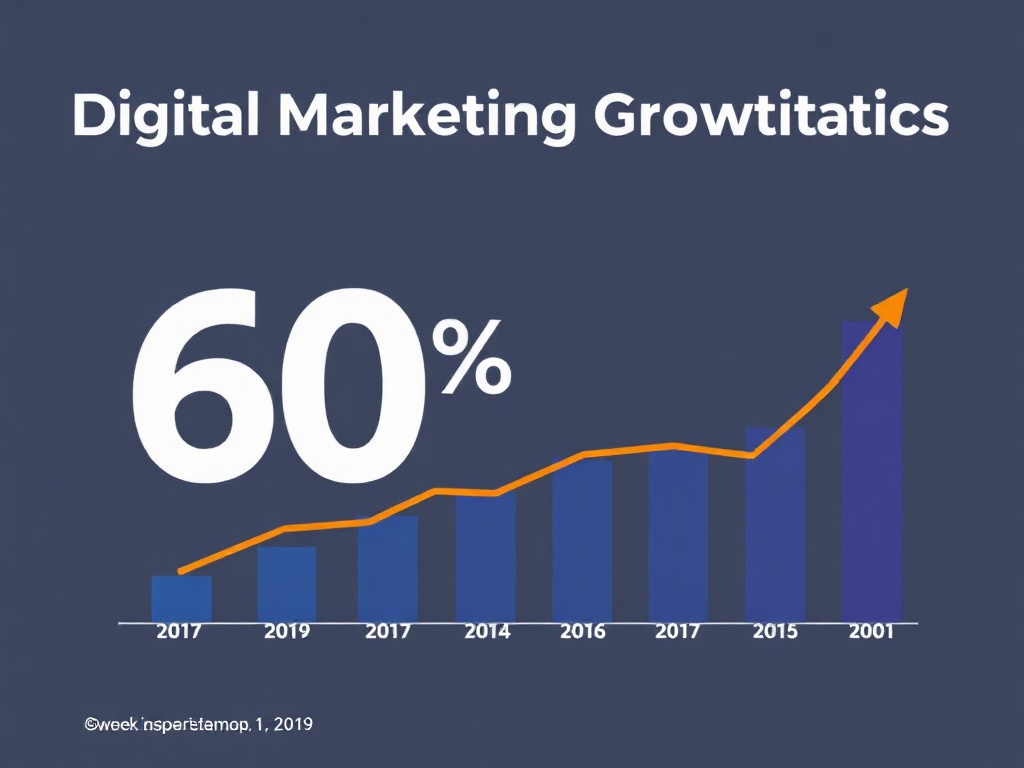
Digital Marketing Growth Statistics: Insights for Future Success
⚡ TL;DR: This guide explains key digital marketing growth statistics that reveal trends essential for future success.
📋 What You’ll Learn
In this comprehensive guide about digital marketing growth statistics, we’ve compiled everything you need to know. Here’s what this covers:
- Learn current market value – The digital marketing sector reached over 0 billion in 2023, growing at 12.3% annually.
- Discover the importance of content marketing – 70% of marketers prioritize content over traditional advertising methods, highlighting a significant shift.
- Understand the impact of social media – Social media ad spending surged from .2 billion in 2010 to 4 billion in 2022, demonstrating its influence.
- Master personalization strategies – 80% of consumers prefer personalized experiences, making it essential for brands to tailor their marketing efforts.
The landscape of marketing has transformed dramatically over the last decade, with digital marketing growth statistics illuminating trends that shape the industry. In 2023, the digital marketing sector ballooned to over $500 billion globally, reflecting a staggering growth rate of 12.3% year-over-year. These digital marketing growth statistics are not just numbers; they represent a paradigm shift in how brands communicate with consumers, leveraging data-driven insights and technological advancements. As businesses continue to adopt more sophisticated marketing strategies, understanding these statistics becomes critical for future success.
A deep dive into digital marketing growth statistics reveals emerging patterns that are reshaping marketing approaches. For instance, a 2024 survey by HubSpot indicated that 70% of marketers are prioritizing content marketing, while only 20% are focusing on traditional advertising methods. This shift underscores the need for brands to adapt their strategies to meet evolving consumer expectations in an increasingly digital world.
Advanced Insights & Strategy
To harness the power of digital marketing growth statistics, businesses must adopt innovative strategies that leverage data and technology. Companies like Adobe have integrated AI-driven solutions into their marketing frameworks, optimizing campaigns through predictive analytics. This approach allows businesses to identify customer behavior patterns, enhancing targeting precision and improving ROI.
Moreover, utilizing multi-channel marketing strategies has shown significant promise. According to a report by McKinsey, brands that embrace an omnichannel approach see a 23% increase in customer engagement compared to those that do not. This comprehensive strategy not only enhances brand visibility but also fosters deeper connections with the audience.
The integration of real-time data analytics is another powerful tool in modern marketing. As noted by Gartner, businesses employing real-time analytics can achieve up to 15% higher conversion rates compared to their competitors. By adapting dynamically to consumer behavior and market trends, brands can refine their strategies to maximize engagement and sales.
The Evolution of Digital Marketing Growth Statistics
Understanding the evolution of digital marketing growth statistics necessitates a historical perspective. The digital marketing industry has undergone several significant shifts since the early 2000s, transforming from basic website promotion to a complex ecosystem driven by data and analytics.
In the early 2010s, social media emerged as a powerful tool, dramatically affecting marketing strategies. According to Statista, social media ad spending grew from $4.2 billion in 2010 to $134 billion in 2022. This meteoric rise highlights the critical role of platforms like Facebook, Instagram, and TikTok in shaping consumer behavior and influencing purchasing decisions.
Another pivotal moment occurred with the rise of mobile marketing. As mobile device usage skyrocketed, marketers began to prioritize mobile-optimized content. Research from eMarketer indicated that mobile ad spending surpassed desktop spending for the first time in 2016, signaling a new era in digital marketing. These digital marketing growth statistics illustrate the industry’s adaptability and the necessity for businesses to stay current with emerging trends.
The Impact of Search Engines
Search engines have also played a crucial role in the growth of digital marketing. With Google dominating the search landscape, businesses have invested heavily in Search Engine Optimization (SEO) to enhance visibility. A report by BrightEdge found that organic search drives 53% of website traffic, emphasizing the importance of SEO strategies in digital marketing.
The evolution of search algorithms has necessitated continuous adaptation. Google’s updates, such as BERT and RankBrain, have shifted focus toward user intent and content relevancy. These changes have led marketers to create more engaging and informative content, aligning with user queries and enhancing search rankings.
Emergence of Video Marketing
Video content has emerged as a dominant force within the digital marketing landscape. According to Cisco, video will account for 82% of all consumer internet traffic by 2025. This statistic underscores the urgency for brands to incorporate video into their marketing strategies. Companies like Nike have successfully leveraged video marketing to create compelling storytelling experiences that resonate with their audience.
Furthermore, platforms such as YouTube and TikTok have revolutionized how brands engage with consumers through video. The interactive nature of these platforms allows for real-time feedback and engagement, paving the way for more personalized marketing approaches.
The Rise of Influencer Marketing
Influencer marketing has gained momentum as a significant element of digital marketing strategies. A survey by Influencer Marketing Hub revealed that businesses earn an average of $5.78 for every dollar spent on influencer marketing, demonstrating its effectiveness. Brands like Glossier and Fashion Nova have built their identities by collaborating with influencers, tapping into their vast follower bases to enhance brand awareness and drive sales.
This growth in influencer marketing corresponds with shifts in consumer trust. A report from Edelman indicated that 63% of consumers trust influencers more than brand advertisements, showcasing the need for brands to integrate authenticity into their marketing strategies.
Current Trends in Digital Marketing Growth
As the digital marketing landscape continues to evolve, several key trends have emerged, shaping strategies across industries. Understanding these trends is crucial for businesses aiming to leverage digital marketing growth statistics for competitive advantage.
Personalization and Customer Experience
Personalization has become a cornerstone of effective marketing strategies. A study by Epsilon found that 80% of consumers are more likely to make a purchase when brands offer personalized experiences. This trend necessitates the use of data analytics to understand customer preferences and behaviors, enabling businesses to tailor their marketing efforts.
Companies such as Amazon exemplify the power of personalization. Their recommendation engine uses customer data to suggest products based on browsing history, enhancing the shopping experience and driving sales. The integration of personalization into marketing strategies is not merely advantageous; it has become essential for survival in a competitive marketplace.
AI and Automation in Marketing
The integration of Artificial Intelligence (AI) and automation tools is reshaping digital marketing strategies. According to a report by Salesforce, 67% of marketing leaders believe that AI will enable them to achieve their business objectives. Tools like chatbots and predictive analytics are streamlining operations, enhancing customer interactions, and improving campaign effectiveness.
For instance, Sephora employs AI-driven chatbots on its website to assist customers in product selection and inquiries. This not only enhances customer service but also drives engagement, showcasing how AI can enhance user experiences while contributing to business growth.
Data Privacy and Compliance
As data privacy regulations tighten globally, marketers must prioritize compliance without sacrificing effectiveness. The implementation of the General Data Protection Regulation (GDPR) in Europe and the California Consumer Privacy Act (CCPA) in the United States has prompted businesses to reassess their data collection and usage practices.
Marketers are now tasked with balancing personalization with data privacy. A study by Gartner found that 75% of consumers expect businesses to prioritize their privacy preferences. Navigating this landscape requires transparency and ethical data usage, proving essential for maintaining consumer trust and brand reputation.
Impact of Social Media on Digital Marketing Growth
Social media continues to revolutionize the way brands communicate with their audiences, with digital marketing growth statistics underscoring its significance in marketing strategies. Platforms such as Facebook, Instagram, LinkedIn, and TikTok have become integral to brand visibility and consumer engagement.
Social Media Advertising Trends
The growth of social media advertising is remarkable. In 2023, global spending on social media ads reached approximately $173 billion, a rise of 20.5% from the previous year, according to eMarketer. This surge highlights the effectiveness of targeted advertising on platforms where consumers spend much of their time.
Brands that harness the power of social media advertising, such as Coca-Cola, have successfully engaged audiences through creative campaigns. By utilizing data-driven targeting, brands can reach specific demographics, ensuring that their advertising efforts yield high engagement rates and conversions.
User-Generated Content (UGC)
User-generated content (UGC) has emerged as a powerful marketing tool. A study by Nosto revealed that UGC increases engagement by 28% and conversion rates by 4.5%. Brands that feature customer testimonials and reviews in their marketing campaigns build trust and credibility with potential buyers.
For example, GoPro effectively utilizes UGC by showcasing videos created by customers using their products. This approach not only promotes authenticity but also cultivates a community around the brand, reinforcing its image and driving sales.
Influencer Collaborations on Social Platforms
The collaboration between brands and influencers has become a critical strategy in digital marketing. A report by HubSpot indicated that 64% of marketers plan to increase their influencer marketing budgets in 2024, reflecting the value of leveraging influencers’ reach and authenticity.
Brands like Daniel Wellington have thrived by partnering with micro-influencers, creating authentic content that resonates with niche audiences. These collaborations can drive significant engagement and create lasting brand loyalty, showcasing the effectiveness of influencer marketing in the digital age.
The Role of Analytics in Digital Marketing Growth
Analytics serve as the backbone of effective digital marketing strategies. By harnessing data insights, businesses can refine their marketing efforts, ensuring maximum impact and ROI. The relevance of digital marketing growth statistics lies in their ability to guide decision-making processes.
Real-Time Data and Decision Making
Real-time analytics enable marketers to make informed decisions on the fly. According to a study by Forrester, companies that adopt real-time analytics see a 15% increase in their marketing performance metrics. This capability allows brands to respond swiftly to consumer behavior changes and market trends.
An example of this practice in action is Netflix, which employs data analytics to gauge viewer preferences and tailor content recommendations. This approach not only enhances user satisfaction but also drives subscription growth by ensuring that viewers are presented with content aligned with their interests.
Measuring Campaign Effectiveness
Evaluating the effectiveness of marketing campaigns is crucial for continuous improvement. A report from MarketingProfs indicated that 70% of marketers use analytics tools to measure campaign performance. This reliance on data enables businesses to identify successful strategies and areas needing refinement.
Tools like Google Analytics provide insights into website traffic, user behavior, and conversion rates. Brands can leverage these insights to optimize their campaigns, ensuring that marketing efforts align with audience preferences.
Predictive Analytics and Future Trends
Predictive analytics is revolutionizing how brands anticipate consumer behavior. According to research by McKinsey, companies that use predictive analytics are 2.2 times more likely to outperform their competitors. This approach allows businesses to forecast trends, adjust strategies, and enhance customer engagement.
Retailers like Walmart utilize predictive analytics to manage inventory and optimize supply chains. By anticipating customer needs, they can ensure product availability and minimize overstock, leading to improved customer satisfaction and operational efficiency.
Frequently Asked Questions About digital marketing growth statistics
What are the most significant digital marketing growth statistics for 2024?
In 2024, digital marketing is projected to surpass $600 billion globally, with social media ad spending expected to reach $200 billion. These digital marketing growth statistics indicate a continued shift towards online engagement and targeted advertising strategies.
How can businesses leverage digital marketing growth statistics for their strategies?
Businesses can analyze digital marketing growth statistics to identify trends, optimize marketing budgets, and enhance customer engagement. By aligning marketing strategies with data insights, brands can improve ROI and stay competitive in their industries.
What role does social media play in digital marketing growth?
Social media is a vital component of digital marketing growth, accounting for approximately 35% of total digital ad spending in 2023. Platforms like Instagram and TikTok have transformed how brands engage consumers, driving higher conversion rates through targeted advertising and authentic content.
What are the key factors influencing digital marketing growth statistics?
Key factors influencing digital marketing growth statistics include technological advancements, consumer behavior shifts, the rise of mobile usage, and the effectiveness of data-driven marketing strategies. These factors collectively shape how brands approach their marketing efforts.

How important is data privacy in digital marketing growth?
Data privacy is increasingly crucial in digital marketing growth, with regulations like GDPR and CCPA shaping how brands collect and use consumer data. Marketers must prioritize transparency and compliance to maintain consumer trust and adhere to legal requirements.
What is the expected growth rate for influencer marketing in the coming years?
Influencer marketing is expected to grow by 20% annually, reaching nearly $30 billion by 2025. This growth reflects the increasing trust consumers place in influencers, driving brands to invest more in authentic partnerships to enhance engagement.
What are the top challenges in interpreting digital marketing growth statistics?
Challenges in interpreting digital marketing growth statistics include data overload, rapidly changing trends, and varying metrics across platforms. Marketers must develop robust analytical frameworks to derive actionable insights from complex data sets.
How can predictive analytics influence digital marketing growth?
Predictive analytics can significantly influence digital marketing growth by allowing brands to forecast trends and consumer behavior. By utilizing data-driven insights, companies can tailor marketing strategies, enhance engagement, and ultimately boost revenue.
Conclusion
Understanding digital marketing growth statistics is essential for businesses aiming to thrive in a competitive landscape. As digital marketing continues to evolve, insights gained from these statistics offer invaluable guidance for strategic planning and execution. The ability to adapt to changing trends and consumer preferences will ultimately determine the success of marketing efforts in the years to come.

Find out more information about “digital marketing growth statistics”
Search for more resources and information: